

Understanding why guided imagery and hypnotherapy produce real, measurable results.
If you've ever started salivating just by thinking about biting into a fresh lemon, you've already experienced the power of mental imagery.
Nothing was actually happening. There was no lemon in front of you. Yet your body reacted.
Why?
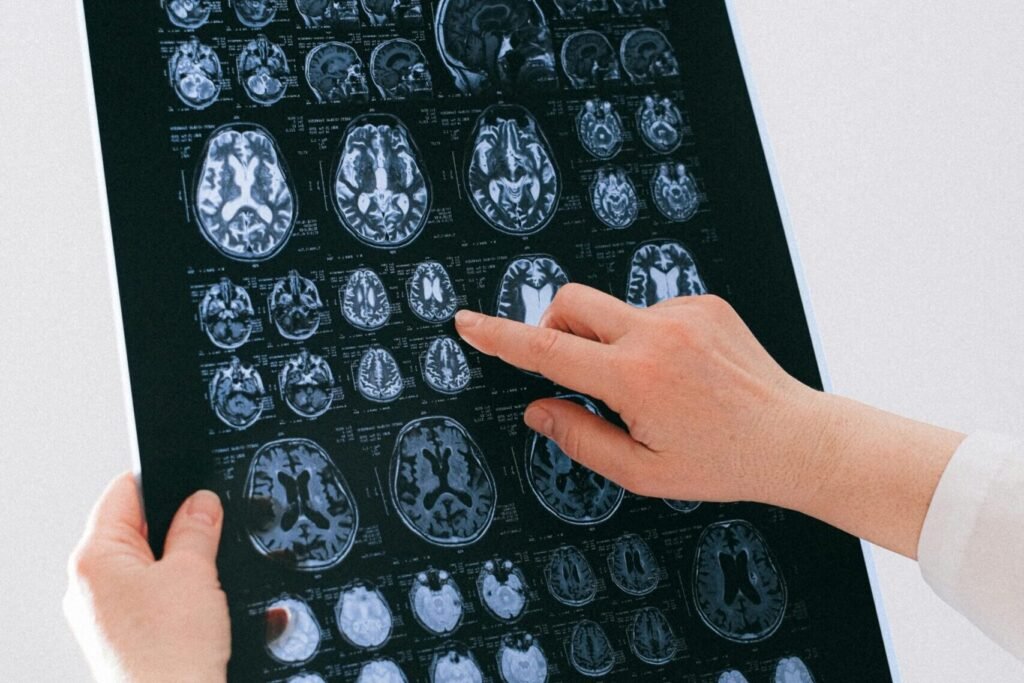
Over the past few decades, neuroscience has shown that the brain does not treat vivid mental imagery as "just a thought." When we imagine an experience in enough detail, many of the same brain regions involved in actually perceiving or performing that experience become active. The activity is usually weaker than during real-life perception, but the overlap is remarkable.
This discovery has transformed how scientists understand learning, performance, emotion, and even rehabilitation. Today, mental imagery is used by elite athletes, surgeons, musicians, psychologists, and increasingly by hypnotherapists to help people prepare for challenges, develop new skills, and change automatic responses.
But before looking at what the research says, it's important to clear up a common misconception.
Visualisation Is Not "Positive Thinking"
Visualisation is sometimes confused with ideas promoted in self-help books that suggest imagining success is enough to make it happen.
That is not what science supports.
Mental visualisation, also called guided imagery or mental imagery, is the ability to intentionally recreate an experience in your mind without the external stimulus being present.

Why Does the Brain Respond to Imagined Experiences?
Why Visualisation Can Feel More Powerful During Hypnosis
Why This Matters in Hypnotherapy

Common Mistakes When Using Visualisation
Practical Ways to Use Visualisation Every Day

Before an Exam

Before a Job Interview

Before Public Speaking
Before Going to Sleep

For Period Pain and Physical Discomfort

Living With Chronic Pain

Related topics you might find helpful: