

Many women look for natural ways to manage their period symptoms each month. Not necessarily because they want to avoid all medication, but because they want something that works gently, from the inside, and fits into ordinary life.
Hypnotherapy is one option worth knowing about.
What Happens to Your Body During Your Period?
Throughout your menstrual cycle, hormonal shifts move you through different physical and emotional states. Your belly may swell. Your lower back aches. A headache settles in. Your mood shifts in ways that can feel hard to predict or explain.
Cramping, bloating, irritability, low mood, fatigue, disrupted sleep, and tension in the body are all common experiences in the days leading up to and during a period. They vary a lot from person to person, and from cycle to cycle. Understanding why they happen is a useful first step toward finding something that actually helps.

Why the Nervous System Matters for Period Symptoms
Research shows a well-established association between chronic stress, nervous system regulation, and the severity of premenstrual symptoms. When the nervous system is in a state of ongoing activation, it increases inflammation, heightens pain sensitivity, and disrupts the hormonal balance that regulates your cycle.
This means that how your body experiences your period is not just about your uterus. It's also about the overall state of your nervous system in the days and weeks surrounding it.

Visualisation is sometimes confused with ideas promoted in self-help books that suggest imagining success is enough to make it happen.
That is not what science supports.
Mental visualisation, also called guided imagery or mental imagery, is the ability to intentionally recreate an experience in your mind without the external stimulus being present.
How Hypnotherapy Can Help
Hypnotherapy works by guiding you into a state of deep relaxation. In that state, stress hormones drop, muscle tension eases, and the brain's pain-processing pathways begin to shift. Over time and with regular practice, many women find that symptoms that once felt overwhelming become noticeably more manageable. The cycle itself hasn't changed, but the body's response to it has.
Here are some of the specific ways hypnotherapy can help during your period.
Reducing Cramp Frequency and Intensity
Through guided visualisation and hypnotic suggestion, it's possible to work directly with the nervous system to ease muscle tension in the pelvic area and reduce the perception of pain. The brain plays a significant role in how we experience physical sensations, and hypnotherapy engages that process gently and effectively.
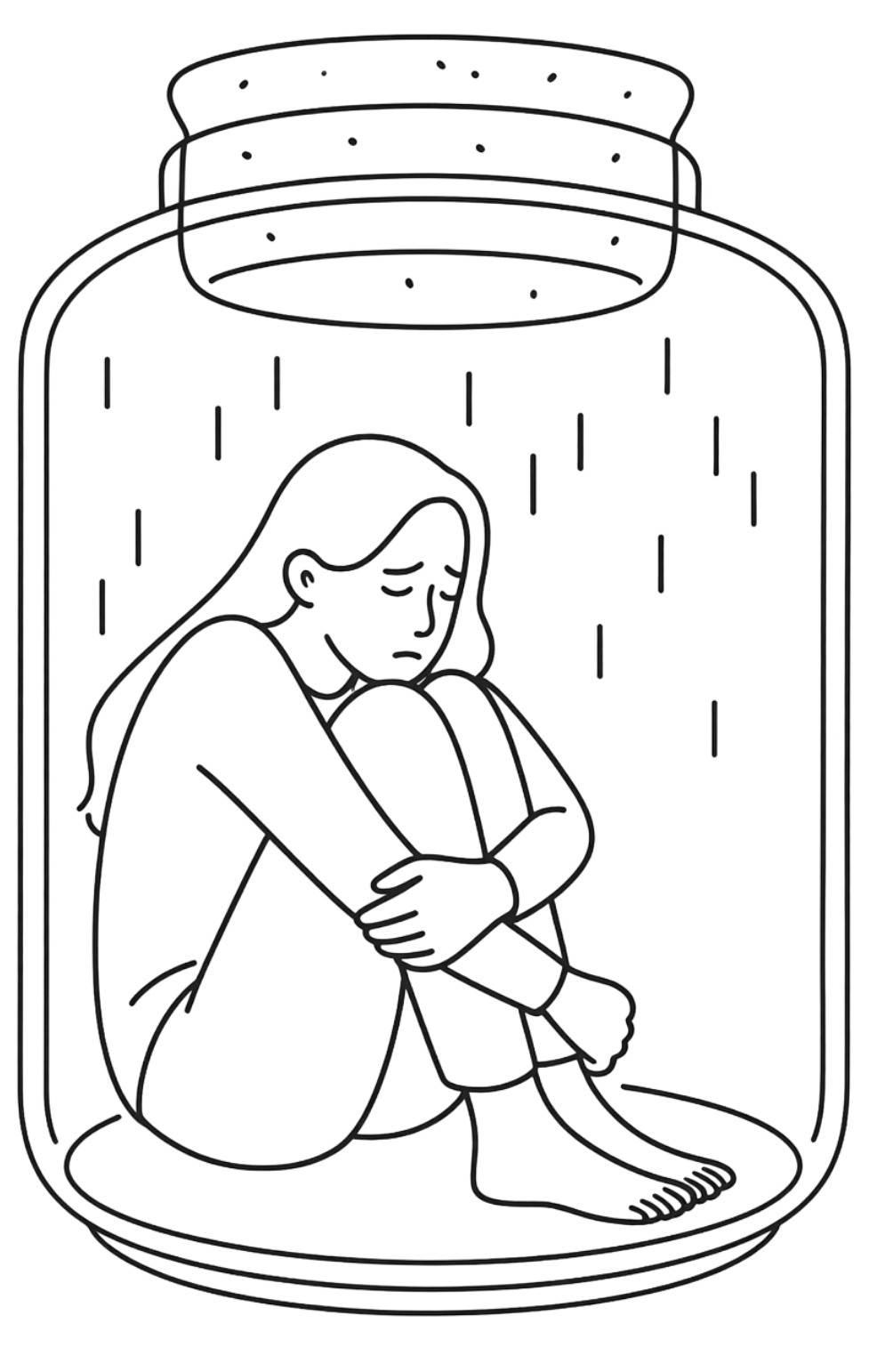
Easing Anxiety, Irritability, and Low Mood
The emotional shifts of the premenstrual phase are closely tied to the nervous system and hormonal state. Hypnotherapy helps regulate that emotional experience from within, creating a bit more steadiness and space around feelings that can otherwise feel very intense.

Making Sense of Mood Swings
Hypnotherapy can also help you develop a clearer understanding of what your body is communicating during different phases of your cycle. When emotional shifts feel less mysterious, they tend to feel less overwhelming too.
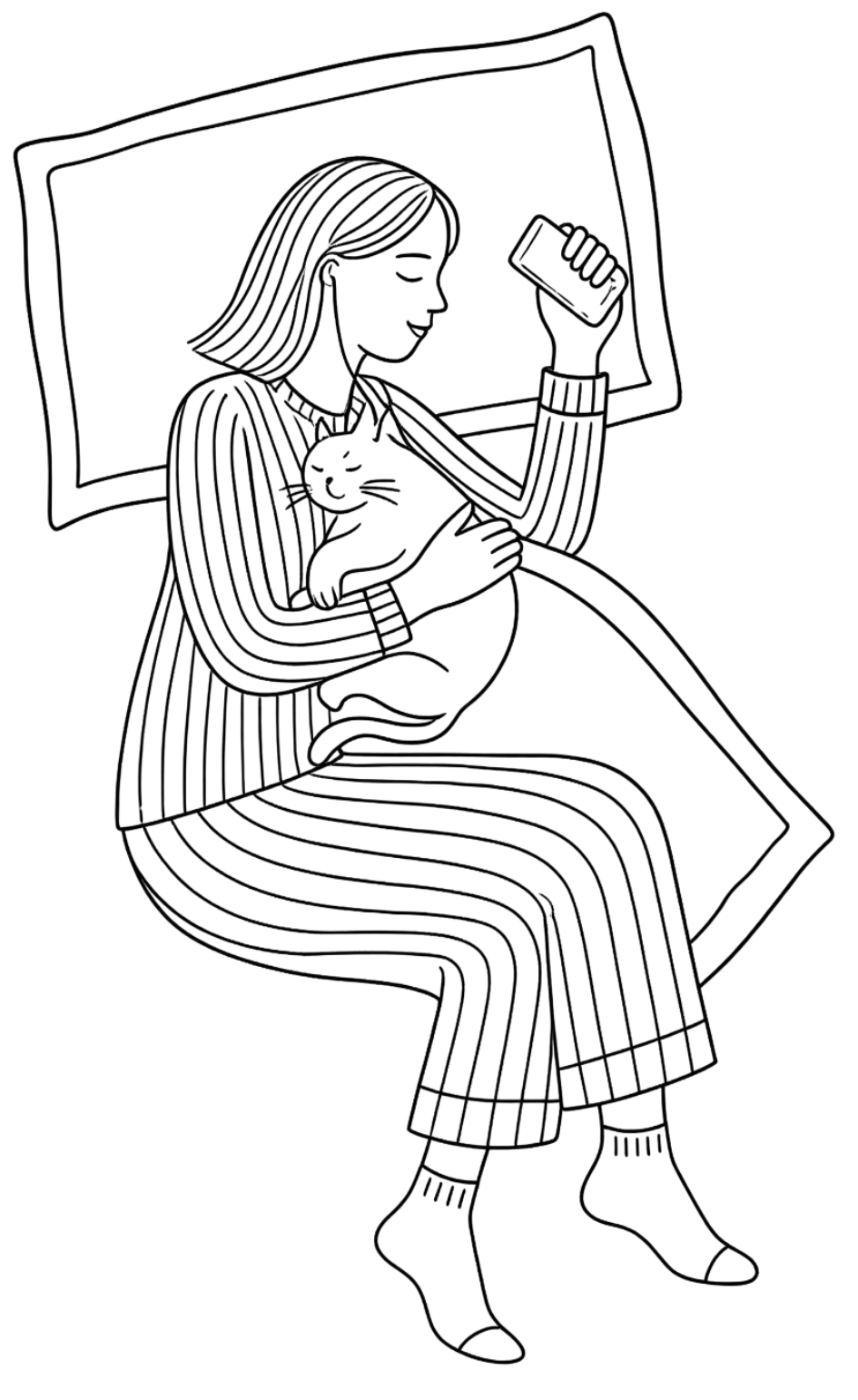
Improving Sleep
Sleep disruption in the days before and during a period is very common. Hypnotherapy is a well-suited tool for this, as it works directly with the mind's ability to slow down, let go of tension, and move into rest.

Relieving Headaches and Physical Tension
Period-related tension often accumulates in the shoulders, jaw, and back. Hypnotherapy works with the whole body, helping to release that physical holding gradually.

Reconnecting with Your Body
Perhaps one of the quieter benefits of hypnotherapy is the shift it can bring in how you relate to your body overall. Rather than feeling at odds with it during this time of the month, many women find they begin to feel more at ease in it, more understanding of it, more able to move through the cycle with a degree of warmth toward themselves.
Three Guided Visualisations to Try at Home
These practices work best when started at the first signs of discomfort, before symptoms peak. Find a comfortable position, ideally lying down, in a quiet space.
Visualisation 1: The River (for bloating and digestive ease)
Close your eyes and take a slow breath.
Picture a gentle river moving through a quiet landscape. The water is clear and steady, flowing without effort or urgency. There is no obstruction, no rushing, just a natural and continuous movement downstream.
Bring that image into your body now. Imagine your digestive system moving with the same quality of ease, everything softening and releasing in its own time, in its own rhythm. With each exhale, feel the pressure in your belly ease a little more.
This is especially helpful in the days before your period begins, when hormonal changes can slow digestion and contribute to bloating and discomfort.

Visualisation 2: The Warm Glove (for cramps and pain)
Close your eyes. Imagine slipping your hand into a warm, soft glove. Feel the heat spreading gently across your palm, your fingers, every part of your hand held in that steady, comfortable warmth.
You can notice the weight of it, the softness of the fabric, that deep and soothing heat settling in.
And when you have a clear sense of that warmth, bring your hand slowly to your lower back, or your belly, wherever you need it most. Imagine that heat transferring from the glove, through your hand, and deep into the muscles beneath. Moving with your hand as it travels, softening everything it touches.
If warmth doesn't feel right for you today, you can do the exact same thing with a cool glove instead. Whatever brings you the most comfort and ease is the right choice.

Visualisation 3: The Control Room (for pain management)
Imagine stepping into a vast room, filled with machines, monitors, levers, and control panels of all sizes. Each one is connected to a different system in your body.
There are panels for your anxiety level, your mood, your confidence, your self esteem, and many more besides. Take a moment to walk through the room and take it all in.
Then make your way toward a panel clearly labelled: pain sensation. You can notice where the dial is currently set.
You can place your hand on it and begin to turn it down slowly, one breath at a time. Listen to the sensation in your body as you do. Bring it to a level that feels comfortable for today.
This room is always here when you need it.

Working with the Emotional and Psychological Layers
Hypnotherapy doesn't only address physical symptoms. It can also open up space to explore the emotional and psychological dimensions of the menstrual experience: the beliefs we carry about our bodies, the attitudes we've absorbed over time about pain and being a woman, the relationship we have with ourselves through these cyclical changes.
For many women, this is where the deepest and most lasting shifts happen.

Getting Started
The visualisation practices above are a good place to begin. They require no equipment and no prior experience, and the more regularly you return to them, the more effective they become.
If you would like to go deeper, working one-to-one with a hypnotherapist allows the sessions to be tailored specifically to your symptoms, your cycle, and your experience of your body. At Marine Hypnotherapy, sessions are available both online and in person, so you can choose whatever feels most comfortable for you.
If you have any questions or would like to find out more, feel free to get in touch through the contact form. It would be a pleasure to work with you.
If your period pain is severe and significantly affects your daily life, it's worth speaking with your GP to rule out underlying conditions such as endometriosis or PCOS.
Related topics you might find helpful: